


Shanell “Red” Irving: The Write Time

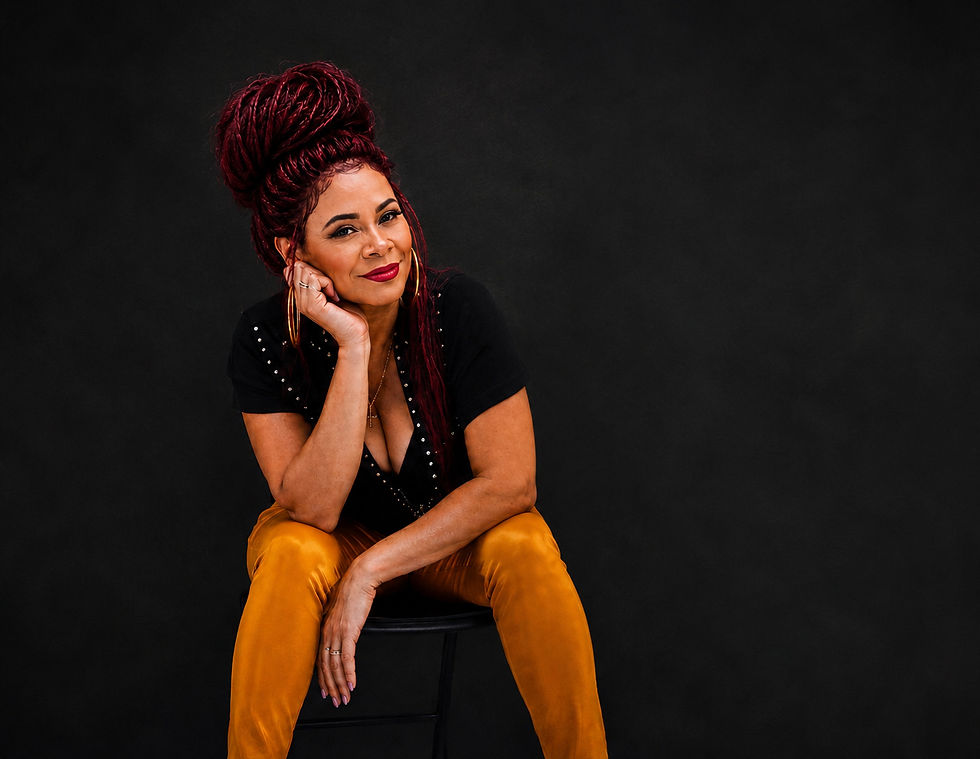
The countdown has officially begun.
On June 8th, Shanell “Red” Irving steps into a long-awaited moment of reflection and recognition with her EP LESSONS Pt. 1—a body of work born from experience, resilience, and the quiet power of a pen that has shaped records from behind the curtain for years. More than a release, it’s a celebration of the writer, the visionary, and the woman who has helped craft the sound of R&B while rarely standing in its spotlight.
A private listening experience takes place June 7th at a secret location, setting the tone for an intimate unveiling of music built for songwriters, producers, and the culture that understands what it means to turn life into timeless records.
From Grammy-nominated credits to mentoring the next generation through The Writerz Rumble, Phatt House Entertainment, and Get Off the Couch Podcast, Shanell “Red” Irving has spent her career bridging artistry and education—turning industry experience into guidance, and pain into purpose.
LESSONS Pt. 1 is not just a project—it’s a statement, a thank you, and a mirror reflecting every chapter that built the legacy she continues to write in real time.
Q: You started writing music at just 14 years old—when you look back now, do you think songwriting saved you, shaped you, or completely became your identity?
When you say 14 years old, my brain has to catch up, lol, since I’m 57 now and still blessed to do what I love—music. I will say it has definitely saved my life and allowed me to emotionally tap into me as a woman, especially when things go left or sad moments happen, like losing my brother and mom in less than three years apart. I had to go hibernate for a while, and music literally saved me emotionally and mentally. It’s my savior indeed, and God knew what He was doing when He blessed me with the gift of song.
Q: Five Grammy nominations later, do you feel songwriters still don’t receive the public respect and visibility they truly deserve compared to the artists performing the records?
This is a great question, and without hesitation, we songwriters are still fighting to be acknowledged and paid fairly. Without us, you just have a track, and the last I checked, Grammys don’t award instrumentals. To acknowledge us takes nothing away from anyone. Artists should advocate for us and thank us for providing them with hits. It’s our business card for more work, and we helped invent a sound that made you famous. So why not unselfishly thank us and make sure we are paid and credited correctly? We made sure you had a hit. IJS.
Q: You’ve worked behind the scenes with legends while also managing acts like KRS-One and Fu-Schnickens—how much did those early experiences sharpen your understanding of both artistry and survival in the industry?
Management duties taught me patience—and also taught me not to manage anymore, lol—all at the same time. There are some artists who are disciplined and respectful and understand the grind and sacrifices not only for themselves but for their team. Then there are those who use and abuse the access of having a great manager who will spend money and jump out the window for them, but the artist isn’t jumping with them. I’ve learned the good and the bad sides. Knowledge is key.
Q: The Writerz Rumble feels bigger than a platform—it feels like protection, education, and empowerment for creatives. What made you realize so many talented writers were entering the business unprepared?
The Writerz Rumble is my masterpiece. To answer that honestly, I was one of those writers—unprepared and green. Me and my writing partner Tenesha were unknowledgeable in the game and just happy to be part of something amazing. We lost out on a lot of money not having the right people to advocate for us. I think after not being credited properly in publishing and paid correctly for the Destiny’s Child songs we worked on, it left a bad taste in our mouths and forced us to educate ourselves. Knowledge is key.

Q: You’ve seen artists lose publishing, ownership, and leverage chasing quick success—what’s the biggest industry lesson you wish every young songwriter understood before signing anything?
Educate yourself on splits, percentages, and don’t walk out of a room without a copy of your work and a signed publishing sheet. You can change it later if needed, but protect your work.
Q: Your Lessons EP title alone sounds lived-in, not manufactured—what personal truths or experiences fueled this chapter the most?
I’m super excited to drop this first EP of a set of three, sharing my experiences as a songwriter across all areas of life, plus advocating for others who’ve been through it too. I laugh now listening back, but some people just show you what was hidden beneath the hurt or happiness—and the world should hear it because I’m not the only one surviving with a story to tell.
Q: “Stupid in Love” carries emotional honesty without sounding overly polished—how important is vulnerability in an era where so much music feels performative?
If you are trying to tell a story, being vulnerable and honest is important—especially if it hurt you. We fell in love with Mary J. Blige for her songs of pain. It wasn’t until she told us those were her real stories that we understood how pain could become music—and turn into anthems for women all over the world.
Q: Between music, podcasting, artist development, film, directing, and mentorship, your career feels intentionally multidimensional—was expanding beyond one lane always part of the vision?
Reading all of that question made me pause and say, “Damn, Shanell, you’re doing a lot,” lol—but I’m loving every moment. When I started in music, no, expansion wasn’t the plan. It came later after being bamboozled in songwriting, lol. I realized I had other gifts that needed to come into fruition, so I stepped out on faith. Now I’m into movies, videos, soundtracks, and books. I love it.
Q: Get Off the Couch Podcast feels like a call to action more than entertainment—what conversations are people avoiding the most right now?
People are avoiding accountability, honesty, and the need to educate others. Helping your fellow brother or sister matters, and we’ve lost sight of that because of greed.
Q: As a woman navigating hip-hop, R&B, publishing, management, and executive spaces, what strengths did you have to develop that the public rarely sees?
Honestly, I surprised myself because I’m a background woman. I like being under the radar, moving in silence. But my lawyer Chris Brown said, “You have to build your brand starting with you.” Nobody knew Shanell Red—they knew Big Drawz, the songwriting duo. So here I am, making the best of every gift I have.
Q: You’ve built Phatt House
Entertainment, Big Drawz LLC, films, and educational platforms—what does legacy mean to you beyond awards and recognition?
Your legacy is very important. What you leave behind for your family matters. I don’t do this for gifts or awards—I do it because I love it, and for the underdogs who think it can’t be done. It can.
Q: When people look back on Shanell “Red” Irving’s impact decades from now, what do you hope stands out most?
I hope they look at all I’ve done and feel inspired—especially the lives I helped change and the fights I fought to keep our talents alive. 🙏🏽


Comments